 by
High blood pressure is a common health problem that can affect the heart and blood vessels. It often has no clear symptoms, which is why regular blood pressure checks are important.
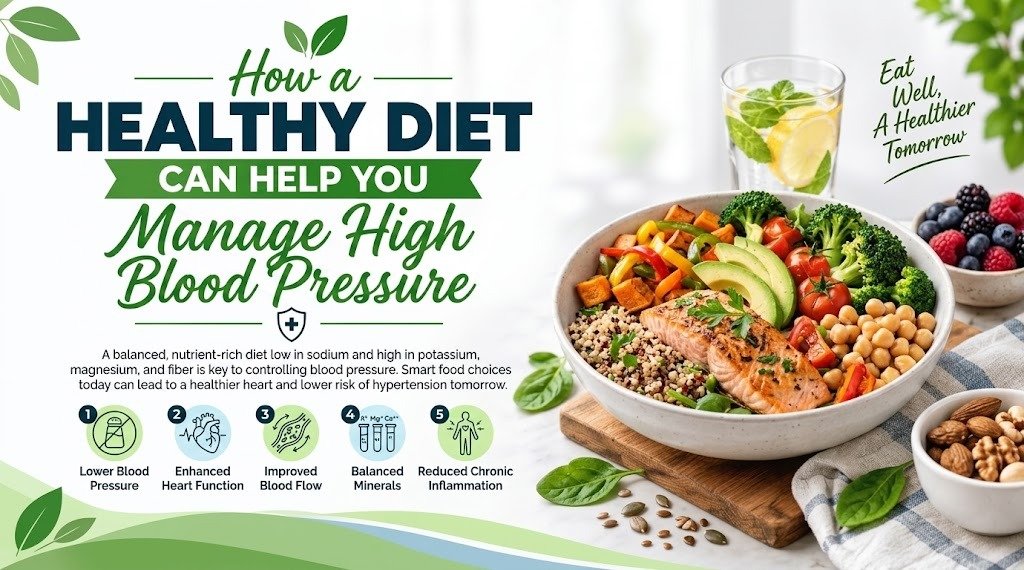
Healthy eating can be an important part of managing blood pressure. Choosing nutritious foods and limiting excess sodium can support heart health and make it easier to maintain healthy blood pressure levels.
How Healthy Food Can Support Blood Pressure
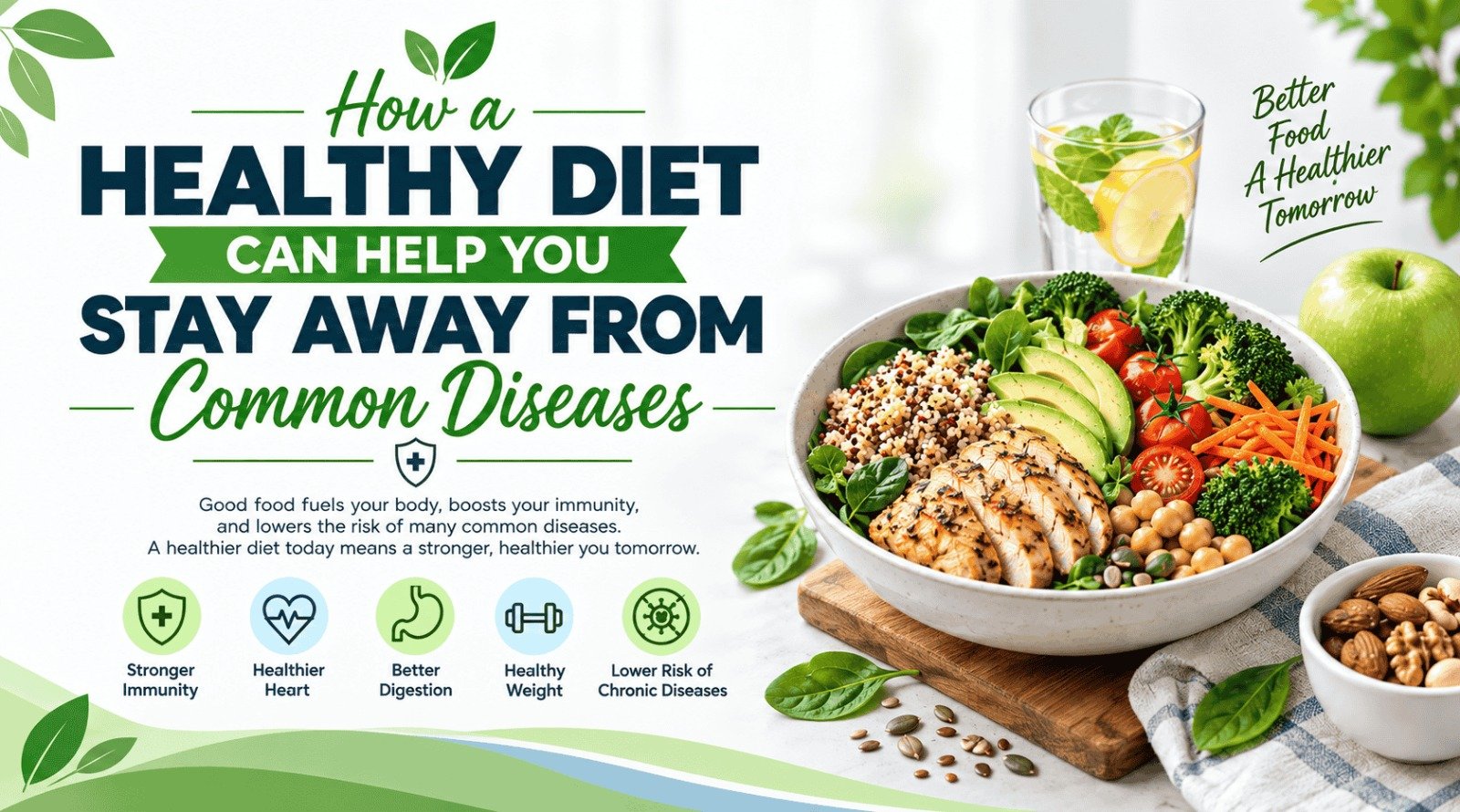
Your daily food choices can affect your overall heart health. A diet that includes vegetables, fruits, whole grains, beans, lean proteins, and low-fat dairy products can provide important nutrients while helping you maintain a balanced diet.
Healthy eating is not a replacement for prescribed treatment, but it can work alongside other healthy habits and medical care.
Eat More Fruits and Vegetables
Fruits and vegetables are naturally rich in vitamins, minerals, and fiber. Many also provide potassium, a mineral that plays a role in blood pressure regulation.
Try adding vegetables to lunch and dinner and choosing fresh fruit as a snack. Eating a variety of colorful fruits and vegetables can make healthy meals more enjoyable.
Choose Foods Lower in Sodium
Eating too much sodium can contribute to higher blood pressure in some people. Much of the sodium in many diets comes from packaged, prepared, and restaurant foods.
Read nutrition labels when shopping and compare products when possible. Cooking more meals at home can also make it easier to control how much salt you add.
Instead of relying heavily on salt, try using herbs, spices, garlic, lemon, or other seasonings to add flavor.
Choose Whole Grains
Whole grains can provide fiber and other nutrients. Options include oatmeal, brown rice, whole-grain bread, and whole-grain pasta.
Replacing some refined grains with whole-grain choices can be a simple way to improve the overall quality of your diet.
Include Healthy Sources of Protein
Protein is an important part of a balanced diet. Beans, lentils, fish, poultry, eggs, nuts, and seeds can all be part of healthy meals.
When choosing meat, leaner options can help reduce the amount of saturated fat in your diet.
Limit Highly Processed Foods
Some processed foods can contain high amounts of sodium, added sugar, and saturated fat. Eating these foods frequently may make it harder to follow a heart-healthy diet.
You do not have to remove every processed food from your diet. Instead, try to choose fresh or minimally processed foods more often.
Try a DASH-Style Eating Pattern
The DASH eating plan, which stands for Dietary Approaches to Stop Hypertension, was designed to help support healthy blood pressure.
It emphasizes vegetables, fruits, whole grains, beans, nuts, fish, poultry, and low-fat dairy while limiting foods high in saturated fat and sodium.
You can learn more about the DASH eating plan from NHLBI – DASH Eating Plan.
Simple Meal Ideas
Healthy meals do not need to be complicated. You can try oatmeal with fruit for breakfast, a vegetable and bean salad with whole-grain bread for lunch, or grilled fish with vegetables and brown rice for dinner.
For snacks, fruit, unsalted nuts, or low-fat yogurt can be simple choices.
Other Habits That Can Help
Healthy eating is only one part of blood pressure management. Regular physical activity, maintaining a healthy weight, getting enough sleep, limiting alcohol, and avoiding tobacco can also support better heart health.
If you have high blood pressure, follow your healthcare professional’s advice and take prescribed medicines as directed.
Frequently Asked Questions
Can healthy eating lower high blood pressure?
Healthy eating can help support blood pressure management. However, people with high blood pressure should also follow medical advice and any prescribed treatment.
What foods should I eat for better blood pressure?
Fruits, vegetables, whole grains, beans, nuts, fish, lean proteins, and low-fat dairy products can be part of a healthy eating pattern.
Should I stop eating salt completely?
You do not usually need to eliminate salt completely. However, reducing excess sodium can be helpful, especially for people who are sensitive to sodium.
Is the DASH diet good for high blood pressure?
The DASH eating plan was specifically developed to support healthy blood pressure and emphasizes nutrient-rich foods while limiting sodium and certain less-healthy foods.
Can I manage high blood pressure with diet alone?
Not always. Some people need medication or other treatment. Do not stop or change prescribed blood pressure medicine without speaking with your healthcare professional.
Conclusion
Healthy eating can be a useful part of managing high blood pressure. Choosing more fruits, vegetables, whole grains, and other nutritious foods while reducing excess sodium can support your heart and overall health.
Small changes can make a difference over time. Build healthy eating habits gradually and combine them with regular activity and appropriate medical care for a complete approach to blood pressure management.